SCIENTIFIC ILLUSTRATION AND FIELD NOTEBOOK
Naturalist illustration
A photograph captures what is there. A drawing captures what has been understood. That is why scientific illustration still exists in the age of high-resolution cameras, when it is necessary to show what is essential, eliminate the noise and depict what no lens can see.
WHY I DRAW
Drawing is a way of seeing
Drawing nature forces us to pause and look, to observe carefully. You cannot depict a leaf without counting its veins, nor a rock outcrop without understanding how it was formed. The pencil is the tool that allows us to discover what the eye had overlooked.
My background is in geology, where drawing has always been a working tool: field sketches, geological cross-sections, diagrams of microscope slides. All of that is scientific illustration. However, I have now transformed it into a tool that places greater emphasis on form and aesthetics.
My illustrations are not merely about beauty. They aim to convey science and information without neglecting emotion. They are neither decorative by accident nor scientific by chance; rather, they seek to unite Science + Sensibility
4 Approaches to illustration
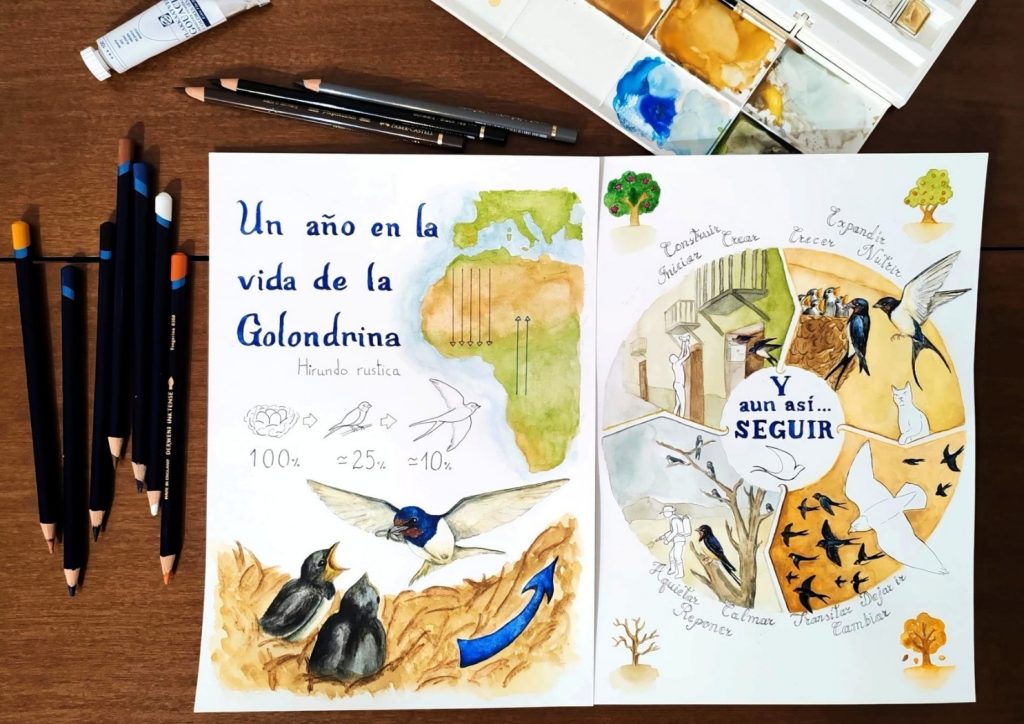
FLORA, FAUNA, FUNGI, LANDSCAPE
Nature illustration
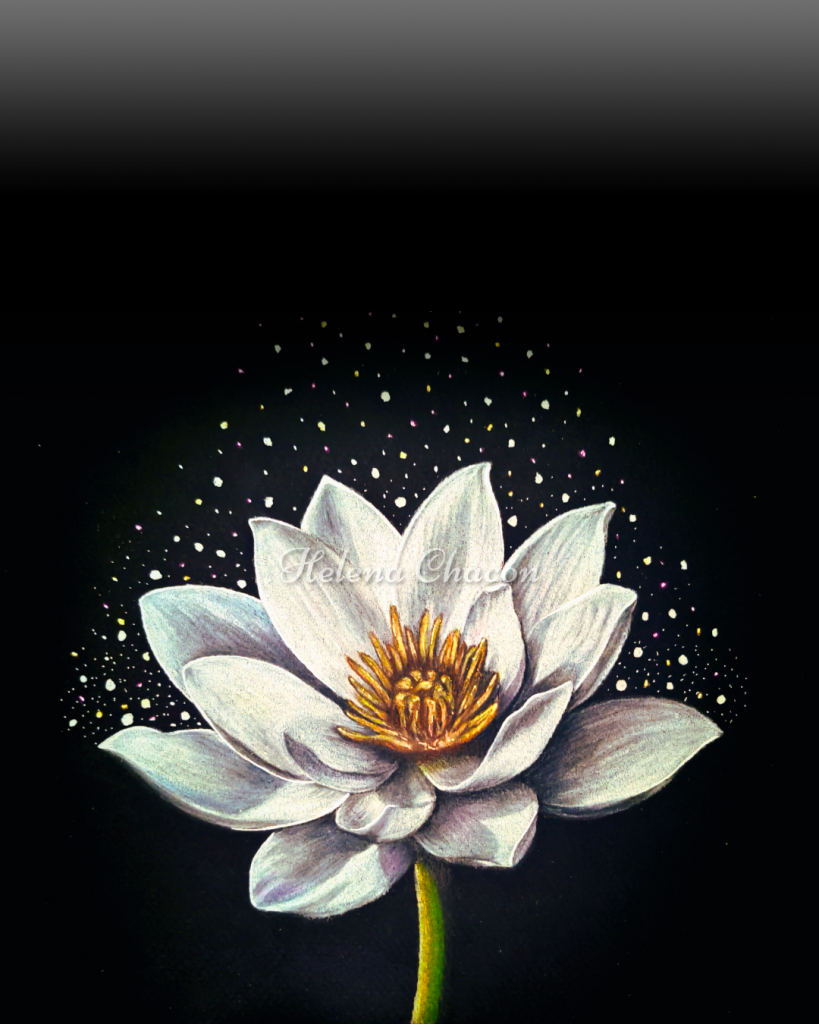
Flora, fauna, fungi, landscape. Detailed illustrations, species fact sheets, ecosystem diagrams and thematic series.
I work using direct observation wherever possible and keep meticulous records. The aim is for the illustration to be both accurate and beautiful: if one has to choose between the two, scientific illustration fails to realise its full potential.
Applications: publications and publishing houses · interpretation centre display panels · field guides · educational materials · institutional outreach
EARTH SCIENCES
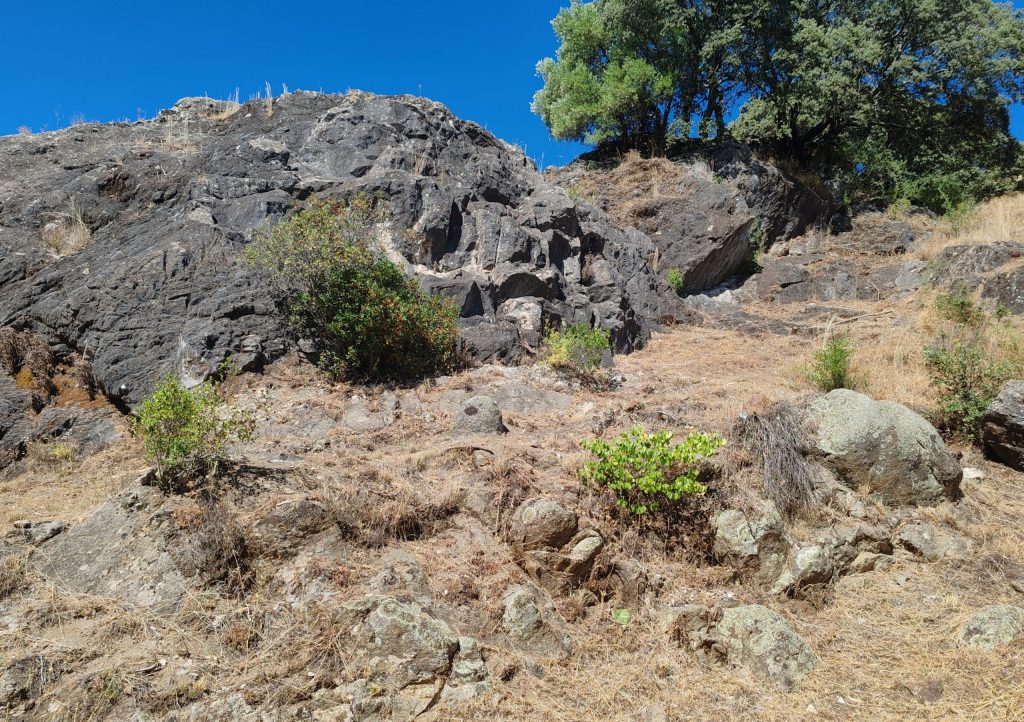
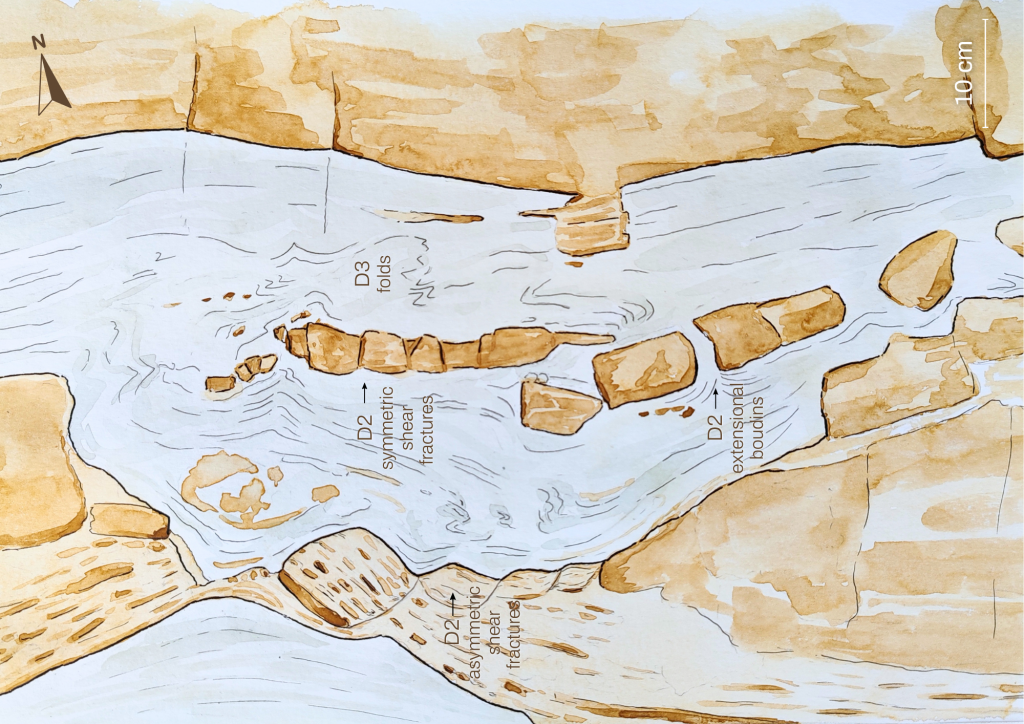
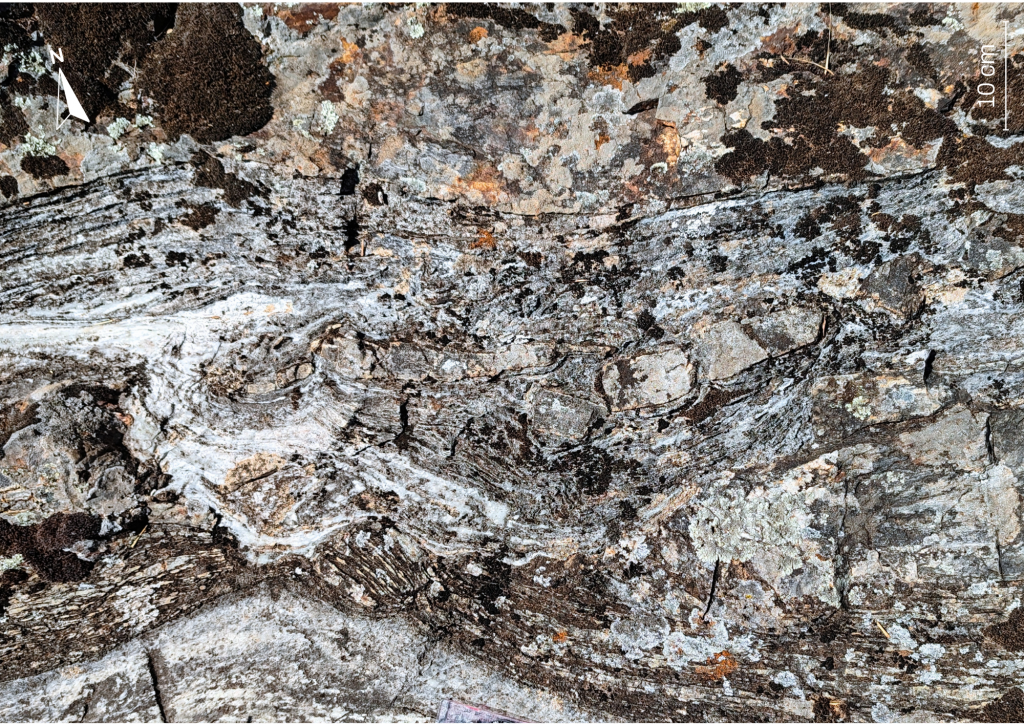
Geological Illustration
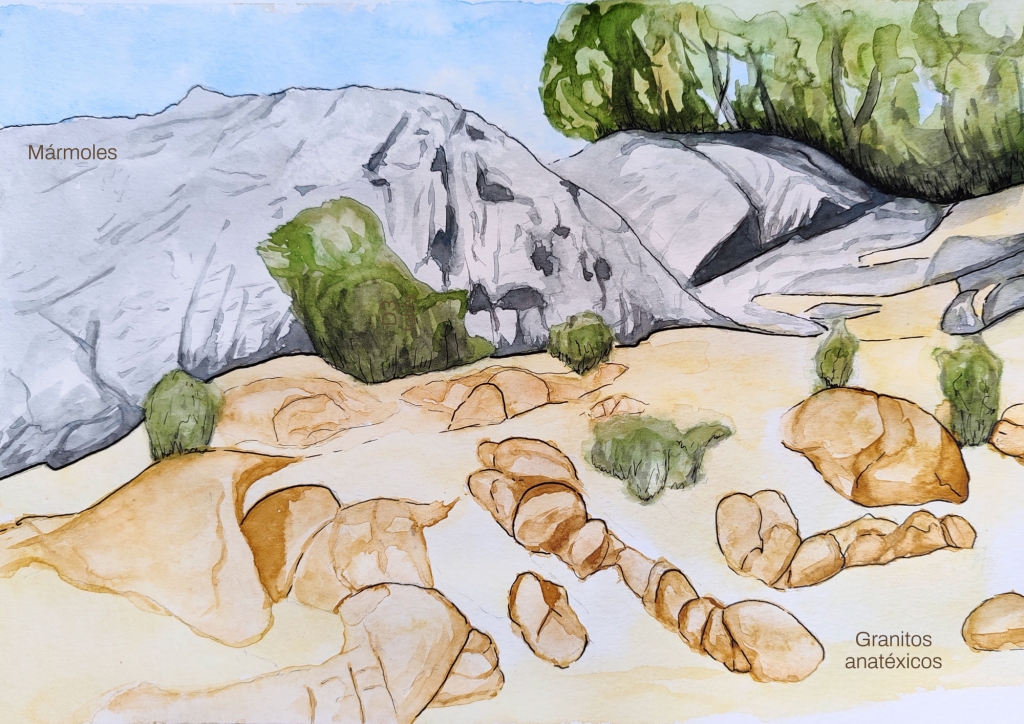
Landscapes featuring geological information, structural details, rocks and minerals, geological cross-sections, stratigraphic columns, processes and reconstructions of past landscapes.
This is the area where I contribute the most and where there are the fewest professionals. Illustrating a geological process requires first understanding it: what happened before, what happened afterwards, what can be seen today in the outcrop, and what needs to be reconstructed. Someone with a postgraduate degree in Geology is a great help in this regard
Applications: geoparks and protected areas · interpretative signage · scientific and popular science publications · museums and visitor centres · university teaching materials
SKETCHES OF BIODIVERSITY
Field notebook
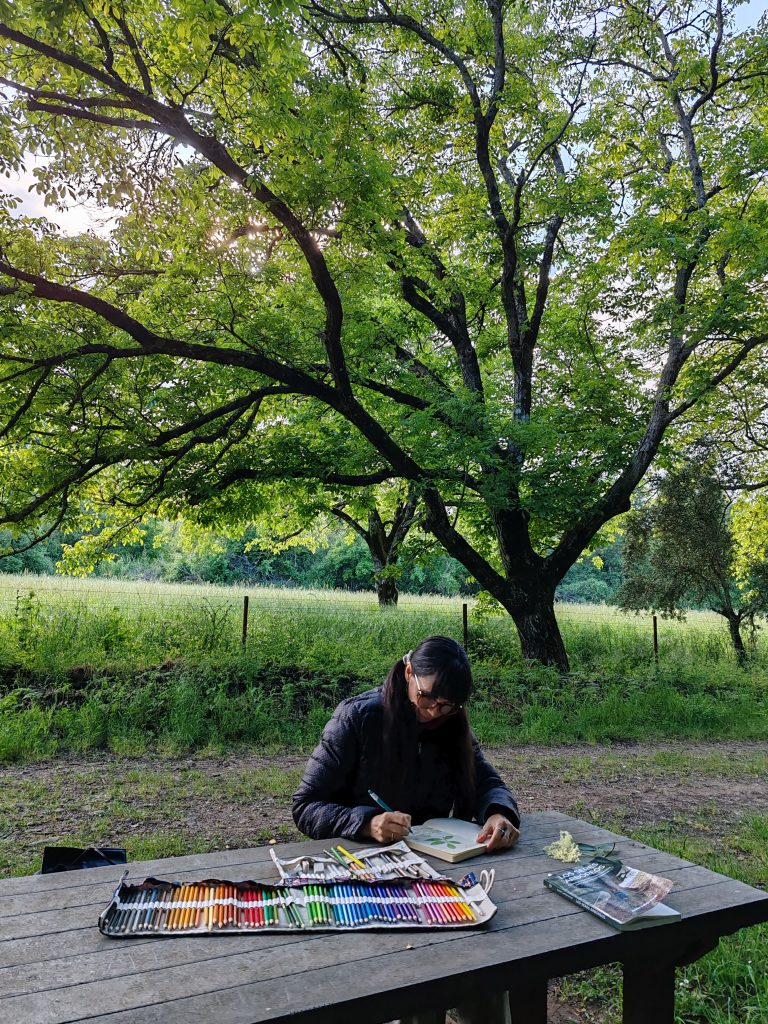
Nature-sketch and geo-sketch. The field notebook is the oldest practice in the natural sciences and remains unrivalled when it comes to learning how to observe: drawing what is in front of you, noting down the date, the location, the light and what you can hear. You don’t need to know how to draw. In fact, those who think they’re bad at drawing tend to observe better, because they aren’t distracted by trying to make their lines look pretty
Nature sketch — Sketched records of plants, animals, tracks, skies and seasons
Geo-sketch — Sketches of outcrops, rocks and landforms, in the style of a geologist’s field notebook
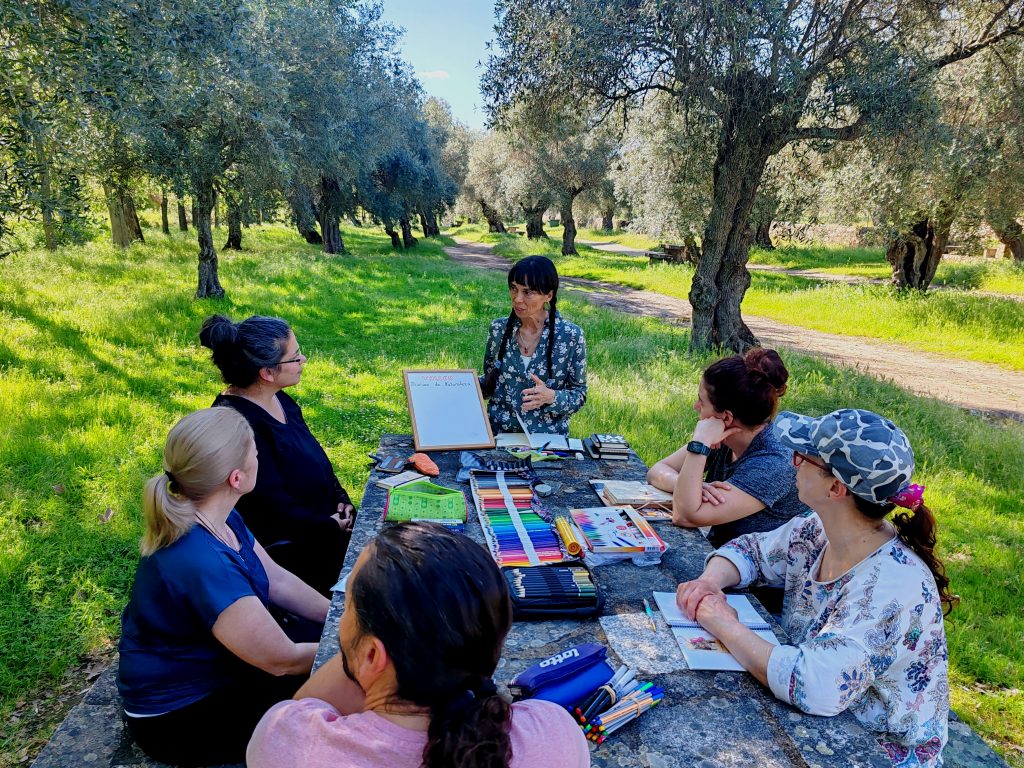
Formats: face-to-face workshops in the Sierra de Aracena · online sessions · outings combined with interpretative trails · ongoing workshops to help you keep up the habit
DRAWING TO FEEL
Journal of Human Nature
The classic field notebook distinguishes between two things: the observer and the observed. The Journal of Human Nature exists to bridge that divide.
Here, drawing is not the aim; it is the culmination of a process. Before opening the sketchbook, we work on the body — body awareness and breathing — so that we arrive at the session with our nervous system in a different state. We draw from that place, not from a sense of haste. And what appears on the page is then also interpreted symbolically: what was this thing I've chosen to look at telling me about my own personal process.
What it involves:
Symbolism — View what you have observed as a lesson, not just as a piece of information
Somatic — Before and during the drawing. The body as the primary instrument of observation
Breathing — Breathing control and management to maintain focus without straining
Mindfulness — To look without labelling, without judging and without rushing
What sets it apart
It isn’t a drawing workshop with a short meditation session at the start. It’s a practice in which the observer and the observed end up being one and the same: you draw a cork oak and discover which part of you was looking at that cork oak and why.
It’s the culmination of my entire journey — geology, yoga, nature and illustration. You won’t find this format anywhere else
HOW WE WORK
A commission, step by step
1. Conversation — What do you need, what kind of support, how much detail, and for which audience?
2. Proposal — A finalised quotation specifying the number of items, the technique, deadlines and terms of use.
3. Sketches — Before finalising anything, we review the proposal. This is where any errors in the content are corrected as many times as necessary, depending on what has been included in the budget
4. Review — Approval of the semi-finished illustration and minor changes
5. Final illustration — Delivered in high resolution and in the formats you need, ready for print or screen.
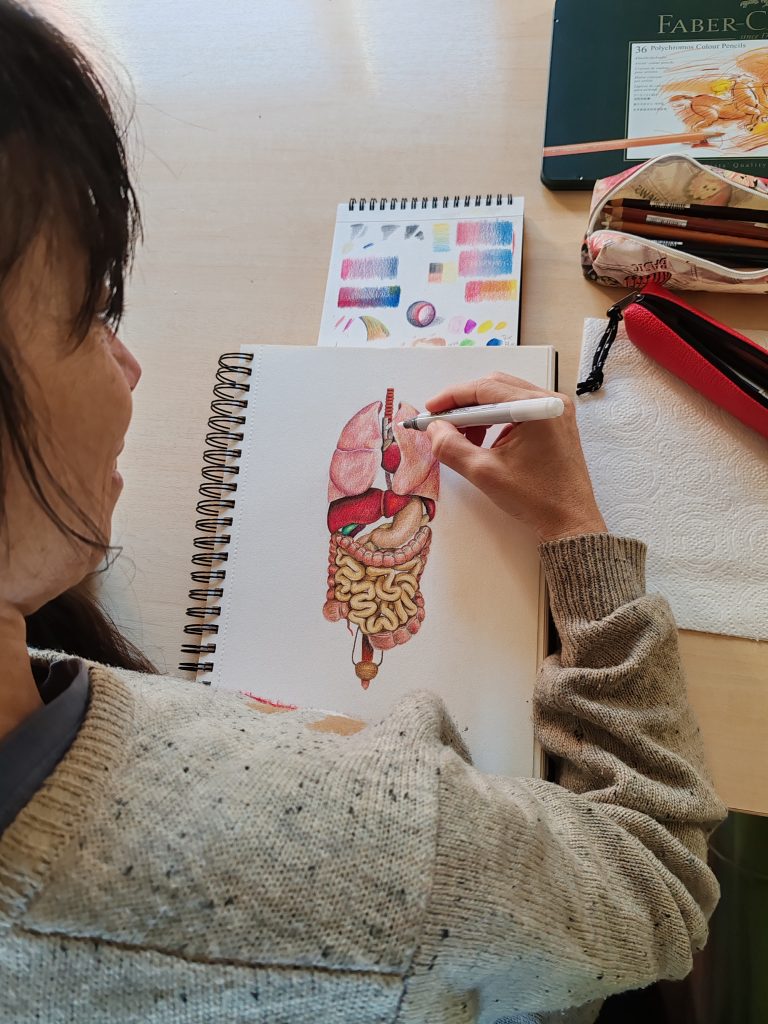
I work on both individual pieces and complete series for publishing or exhibition projects.
Do you have a project in mind?
Let me know what you need illustrated and we’ll have a chat. And if you’d like to learn how to keep your own field notebook, do get in touch anyway: I’d be happy to tell you about our course. Drop me a message on WhatsApp at (34) 636 78 11 67 or via my email: info@helenachacon.com